Why I started CheapMealsNearMe.com, the website that helps you find Cheap Food
My sister recently traveled from Idaho to visit me in San Diego, with her husband and their two children. Of course I wanted to show them the city without making them go completely broke before the second day. I soon recognized a massive price barrier in the local economy that I hadn't really accounted for. On average, restaurant owners in San Diego charge $25 for a single person to eat a meal. When I calculated the costs for a family of four, I realized a single day of food represents a $300 financial commitment. For one day of eating! This total excludes the additional costs of parking, appetizers, or even drinks. For a family visiting from a place where a dollar carries more weight, these costs turn a simple thing into a heavy burden.
I searched Google and Yelp to find affordable options for us. I quickly grew frustrated with the quality of resources. Information was scattered across different pages and lists, and buried behind paywalls and under advertisements. Apps like Door Dash and Uber Eats hide the exact cost of a meal behind promotions, and Google and Yelp use vague price symbols that overgeneralize. I wanted a tool that put absolute price transparency above all other details. I chose to stop searching for a solution and started architecting one.
I decided I would build the tool I needed.
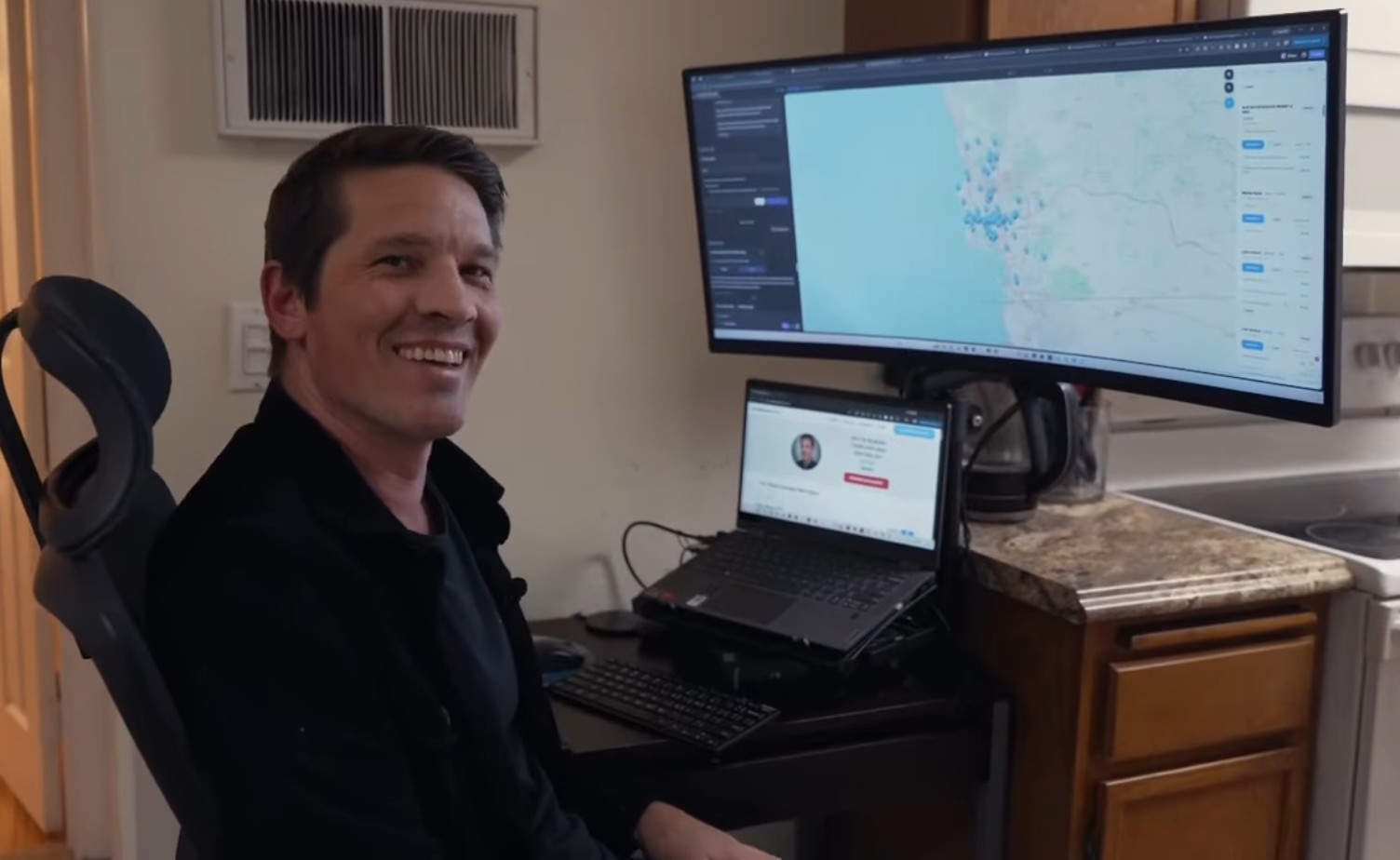
I used a method called vibe coding to move at high speed. I used a few different AI coding platforms and worked out the high-level logic, the user flow, and the overall structure I envisioned. I provided the intent, and the software handled the technical work. These tools allowed me to build a functional, searchable database over a single weekend. It was the best way to move.
I once managed a partner onboarding process at Charitable Adult Rides and Services. When I arrived there, a single implementation could take - on average - 250 days to complete. With some work, I was able to identify the administrative and technical bottlenecks keeping the system slow, and then re-engineer that system until we got the process down to 2 days. That was an over 99% reduction. I applied that exact systems mindset to the San Diego food crisis. I identified the primary bottlenecks as the time and mental stress people spend finding verified, affordable meals. I built a tool to eliminate that search friction entirely.
To ensure the system remained simple, I set a Ten Dollar Target.
I set a goal to ensure that the average meal listed on the site should cost under $10. This goal creates a foundation of immediate trust. When you visit the site, you can focus on the food, because I have already handled the price verification. I don't do everything singlehandedly. I made it easy for visitors to share deals they discovers, so we can grow the options quickly as a community. Then, I launched it at CheapMealsNearMe.com.
While I had the website up and running in a couple days, it took me a little longer than i anticipated to sift through all the noise of outdated deals and narrow my list down to something representative of the options available. By the time I launched the site, my sister was already back in Idaho. So, I decided to share the project with people in San Diego.
For this, I took advantage of some insider knowledge I gained during my time at Boise State Public Radio. Working in public media taught me about the supply and demand of a newsroom. Journalists always seek stories that provide a direct service to their audience or address issues that affect the community. I knew that if I positioned my website as a community resource, I could provide newsrooms with the specific content they required. Instead of hiring expensive marketing teams or PR firms, I identified a few editors and consumer reporters who focused on local impact and I sent a few direct emails. I kept it short and sweet, and mentioned that I recognized that San Diego was becoming too expensive and I built a tool to help. That single email resulted in a featured segment on ABC 10News. The reporter published the story titled, "San Diego man builds website to help diners find restaurant meals under $10."
Once the news story aired, I reshared the news segment to a San Diego subreddit and across social media. This type of content could have cost me thousands to produce and much more to promote, but it was free! And the response was incredible. People shared the site through word of mouth. I looked at the data and saw that people prefer a simple tool over a complicated corporate app. People want a verified path to a $10 meal. Within hours of the news spot airing, I had thousands of new visitors to my website, and high-value links across multiple locations that helped jump-start my website's Google ranking.
People saw a local neighbor solving a shared problem and they supported the project immediately. People jumped in to help with the data. San Diegans sent me names of their favorite mom-and-pop restaurants with great deals across the region. Places that keep prices low for the community, but perhaps lack the budget for big ads. By listing these spots, the site helps people support local vendors who respect their customers' budgets.
I removed the corporate middle layer to ensure that companies remain accountable to the community, and people responded. When you provide a direct path to value, people become participants in a shared community asset.
I set out to save my sister money, and I built a utility for thousands of people, following a repeatable playbook. You can architect solutions by following these four steps:
- Measure the problem. Identify exactly where your neighbors lose time or money. In San Diego, I identified the bottleneck as the $25 average meal cost. You must find the hard truth in your data and start there.
- Use new tools to build fast. Leverage modern technology like vibe coding and artificial intelligence to create a basic version of your solution. I built a searchable database in one weekend by describing my intent to a machine. You should build the basic engine that solves the core problem immediately.
- Shorten the path to value. Pick a clear target. I set the Ten Dollar Target so users could find a meal without launching a research project. Your solution must provide a direct answer to a specific pain point.
- Tell the story. Reach out to local media and community groups once your tool is running. Newsrooms are hungry for stories that offer practical service. You provide the content they need and they provide the audience your neighbors represent.
I started this project to save my sister money. I ended up providing a service for thousands of people. You have the skills to identify a system that fails and the tools to rebuild it. You solely require a clear standard, a simple tool, and the courage to send that first email.